
Dandruff vs. Itchy Dry Scalp- Understanding the Differences and Effective Solutions
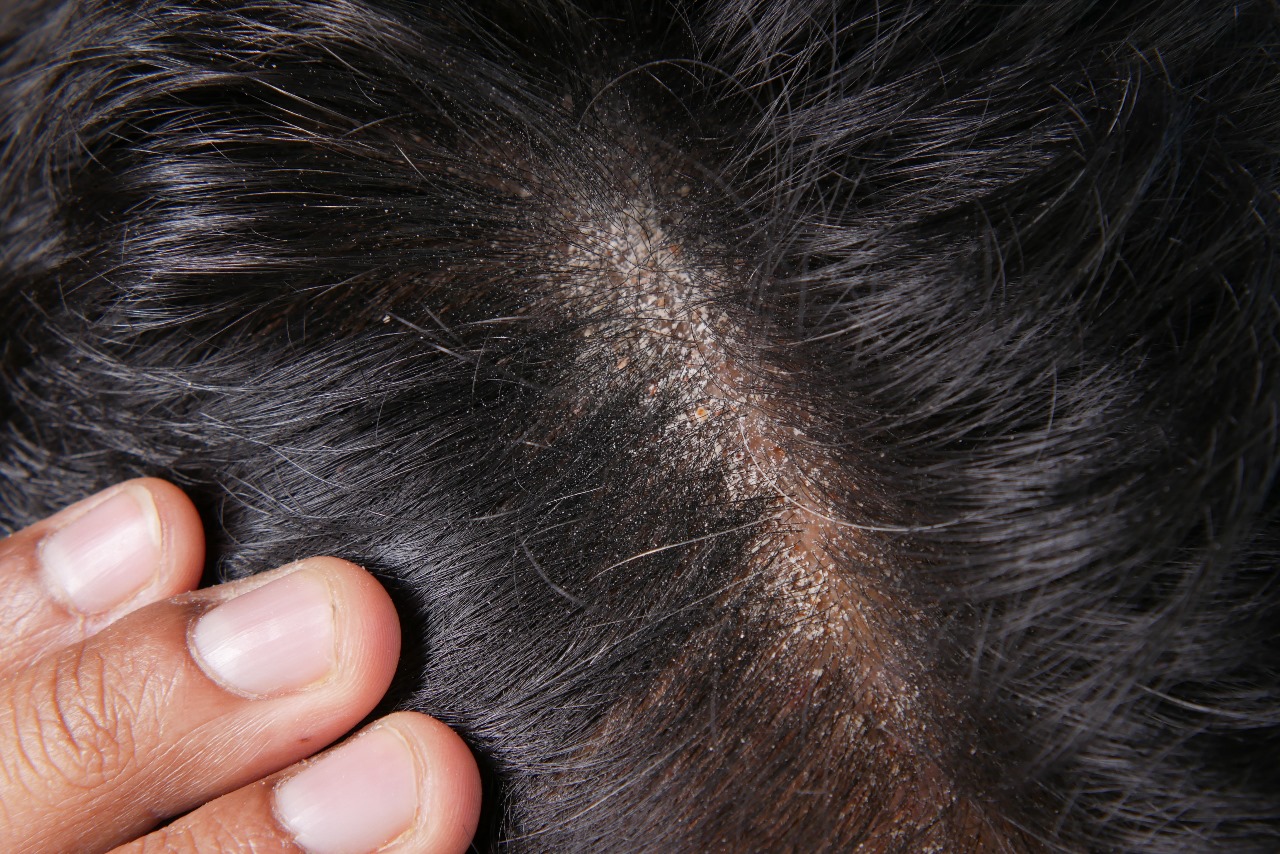
Are you tired of battling an itchy scalp and trying to decipher whether it's dandruff or just a dry scalp causing those annoying flakes? Well, you're not alone. Choosing the right shampoo can be a perplexing task when faced with symptoms like itchiness and flaking. Should you go for a dandruff shampoo or rely on a moisturizing one? In today's discussion, we'll unravel the mystery of distinguishing between a dry scalp and dandruff.
Dry scalp and dandruff may have similar symptoms, but their origins lie in different causes. A dry scalp is often the result of the skin's inability to retain moisture, leading to increased water loss and vulnerability to irritants. Factors like atopic dermatitis (eczema), contact dermatitis from hair care products, or seasonal changes can contribute to dryness.
On the other hand, dandruff is caused by a disruption in the skin's natural cell turnover and an overgrowth of the yeast Malassezia. Rather than shedding naturally, the skin cells clump together, resulting in larger flakes. Dandruff is often accompanied by excessive oiliness, and its flakes and scalp tend to be oilier compared to the dry scalp's smaller, less oily flakes.
Understanding the distinction between these conditions is crucial for effective treatment. Managing a dry scalp involves identifying the underlying cause, such as allergies or excessive use of heat styling tools. Adjusting water temperature, opting for milder shampoos, and using a humidifier can help alleviate dry scalp symptoms. Additionally, protecting the scalp from the sun and avoiding potential allergens in hair care products are essential steps.
On the other hand, seborrheic dermatitis, or dandruff, requires a different approach. Regular and targeted shampooing with anti-dandruff shampoos containing active ingredients like zinc pyrithion, salicylic acid, ketoconazole, or selenium sulfide can effectively control dandruff symptoms. Proper application of the shampoo, leaving it on the scalp for a few minutes, and thorough rinsing are key practices for managing dandruff.
As we delve into the differences between a dry scalp and dandruff, it's important to note that persistent or severe symptoms should be addressed by a professional. If uncertainty lingers or conditions worsen, consulting a board-certified dermatologist is recommended. They can provide tailored advice and, if necessary, prescribe interventions to effectively manage and control these scalp conditions. So, whether you're battling dryness or dandruff, understanding the nuances is the first step towards a healthier, itch-free scalp.
Check out the table below to help you identify whether you are suffering from dry scalp or dandruff.
| Feature | Dry Scalp | Dandruff |
|---|---|---|
| Underlying Cause | Skin's inability to retain moisture, potential issues with the Skin Barrier (e.g., atopic dermatitis, contact dermatitis) | Turnover issues with the Skin Barrier, overgrowth of the yeast Malassezia |
| Flake Size | Smaller flakes | Larger flakes, often clumped together with excessive oiliness |
| Seasonal Factors | Common in winter due to low humidity | Tends to flare in winter, aggravated by wearing hats extensively |
| Possible Causes | Overuse of hot water, harsh hair care products, heat styling tools, seasonal changes | Sun exposure, wearing hats, illnesses, stress |
| Management Tips | Identify and avoid allergens, use milder or moisturizing shampoos, consider a humidifier | Frequent shampooing with anti-dandruff shampoo, avoid triggers of stress, use sunscreen for the scalp |
| Recommended Shampoo | Moisturizing or baby shampoo, eczema-friendly products | Anti-dandruff shampoos with active ingredients like zinc pyrithion, salicylic acid, ketoconazole, selenium sulfide, or coal tar |
| Shampoo Application | Consider water temperature, avoid alcohol-based styling products | Increase frequency of shampooing, direct lather to the scalp, leave on for a few minutes before rinsing |
| Frequency of Use | Depends on individual hair type, consider avoiding daily shampooing | Couple of times a week for maintenance, daily during flares, leave on for a few minutes before rinsing |
| Medical Consultation | If symptoms persist or worsen, consult a dermatologist | Seek professional advice if over-the-counter treatments are not effective or if the condition is severe |
| Prescription Treatments | Consider if underlying skin condition is present or for severe cases | May be required for better control, especially if over-the-counter treatments fail |
| Additional Tips | Consider a humidifier for nighttime, protect scalp from the sun with a hat | Avoid wearing hats continuously, manage stress, maintain a balanced diet and hygiene practices |

Dr. Anchal Shah has over 10 years experience in field of Dermatology and Hair Transplant. She is active member of various national and international organisation like ABHRS. She specialises in hairline designing, high density hair transplant procedures, corrective and repair hair transplant sessions. Her extensive experience and research in this field, and use of latest technology always helped her achieve great milestones.